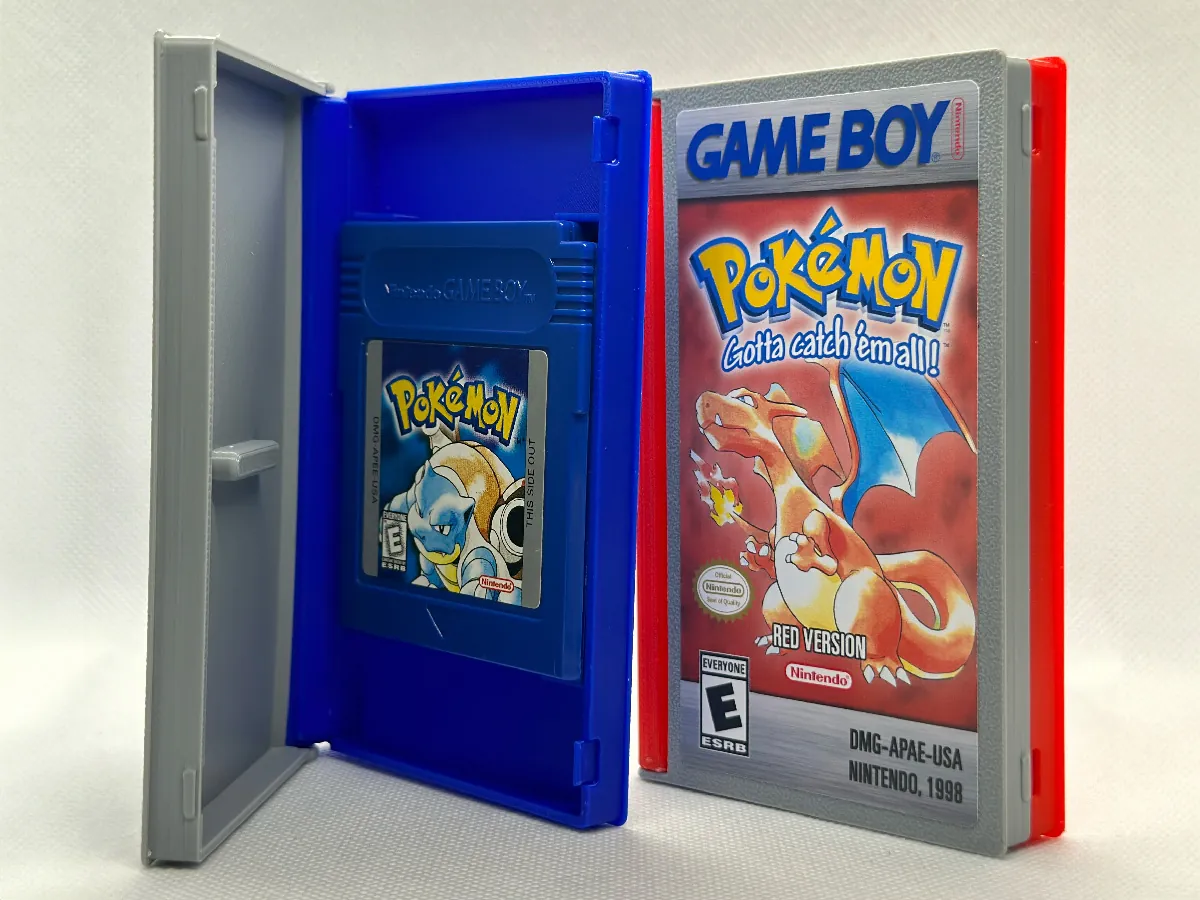
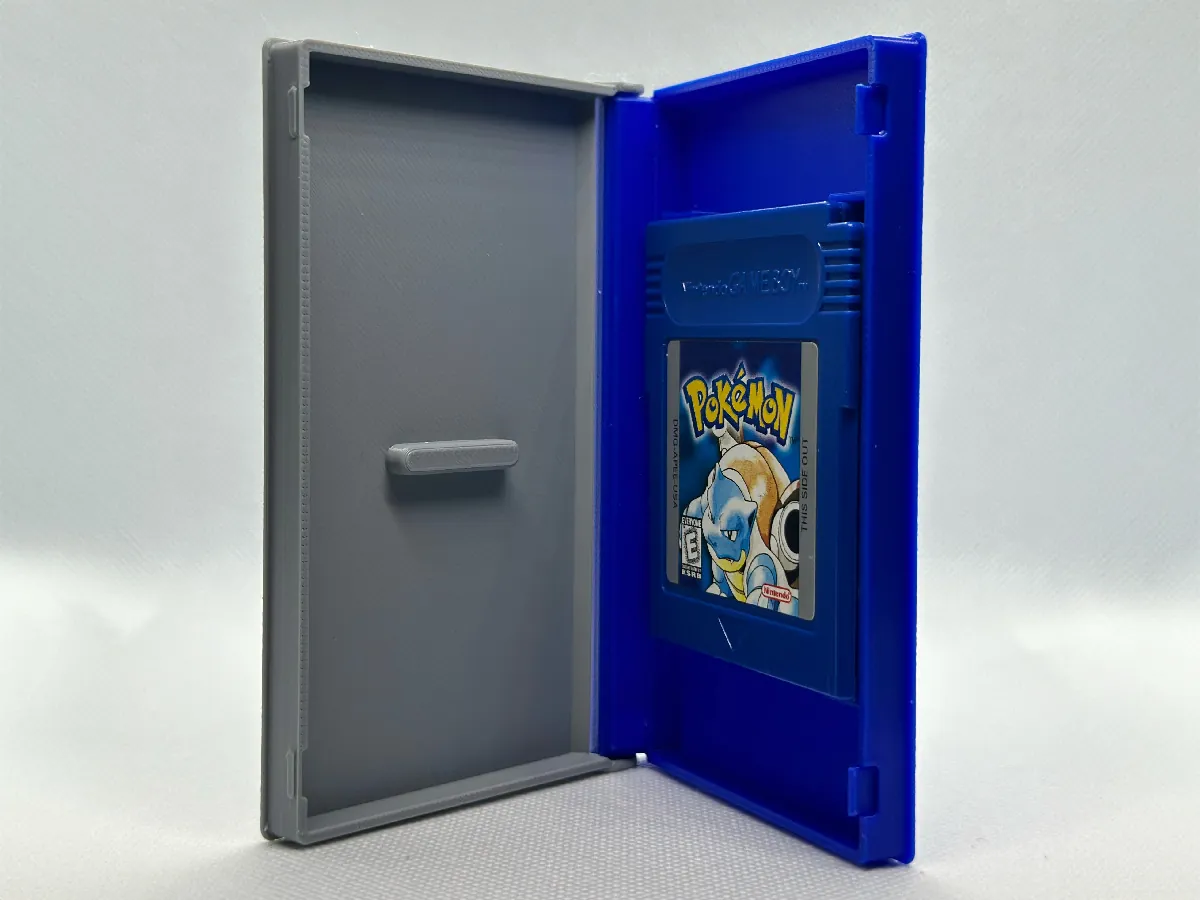
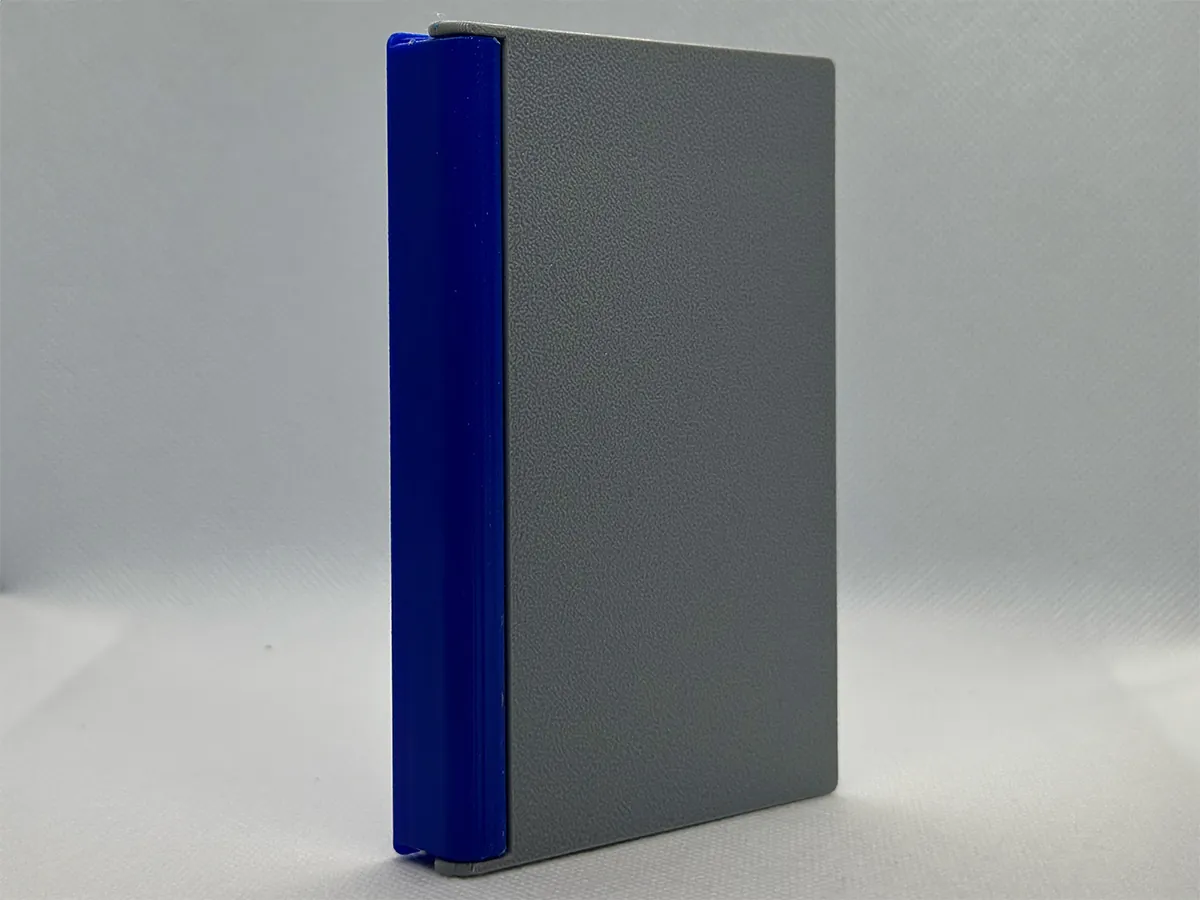
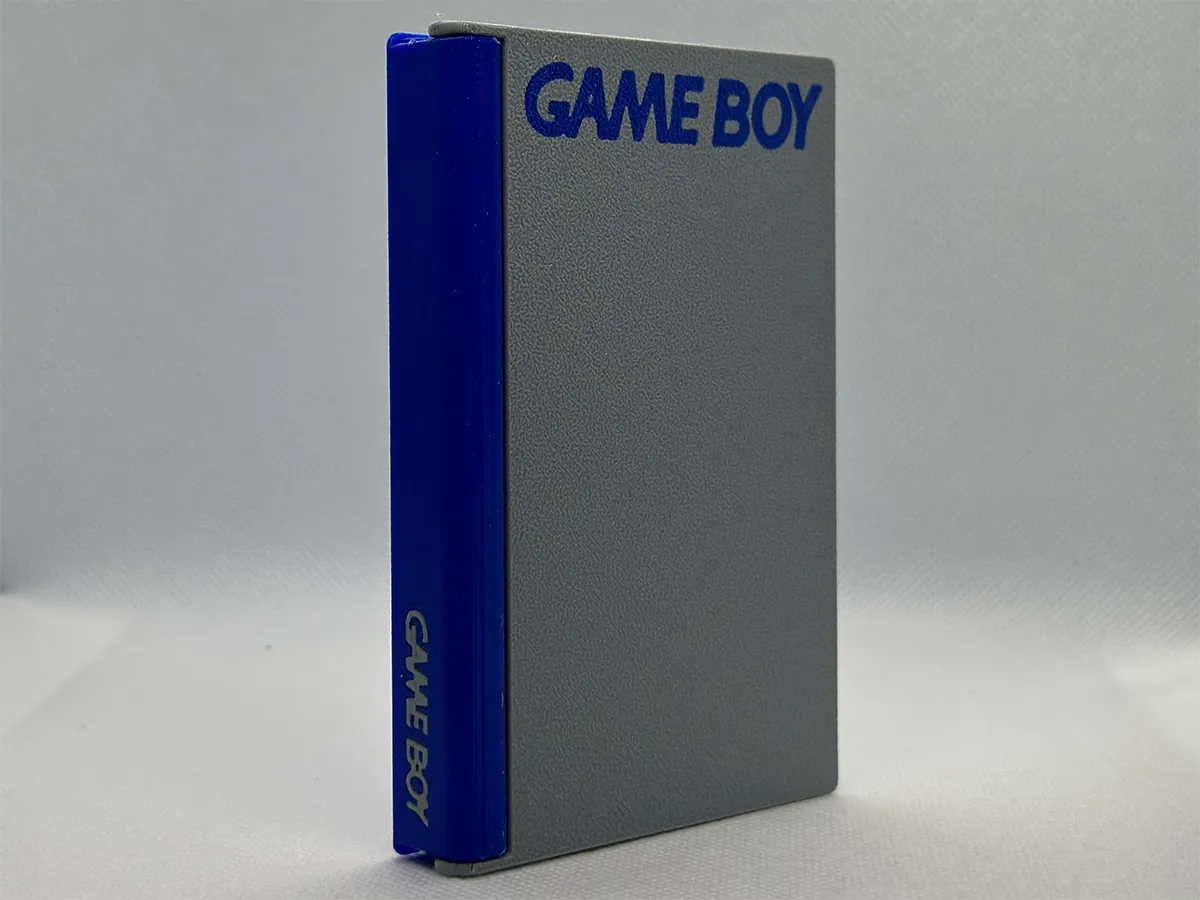
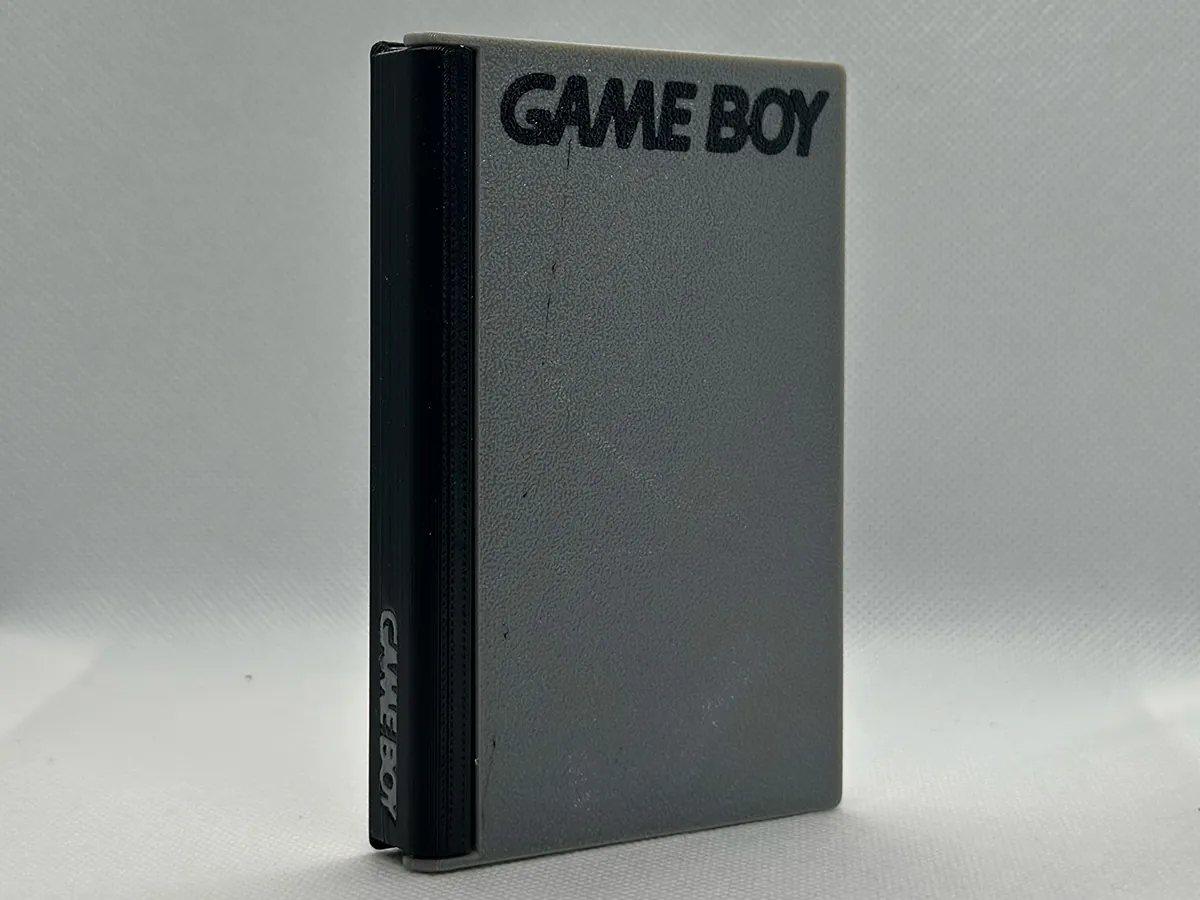
The world is full of racks, drawers, and shelves built for audio cassettes, and a lot of them aren’t holding cassettes anymore. This is a case shaped like a tape case that holds a Game Boy cart instead, so the cart collection can move into them.
Tape outside, cart inside
Two parts, lid and body, that snap together and hold one DMG or CGB cartridge. Those are Nintendo’s model codes for the original Game Boy and the Game Boy Color. The outside matches a standard audio cassette case, so it slots into racks built for them. There’s a plain version, meant for custom labels, and a branded version for multicolor printing. In the multicolor files, the Game Boy and Nintendo branding is split out into separate small pieces, one for the front and one for the spine.
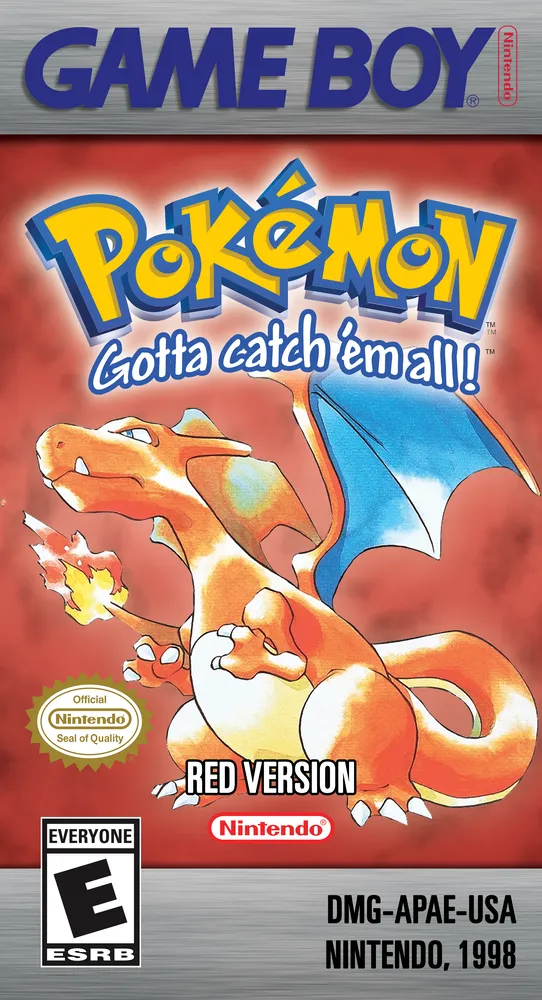
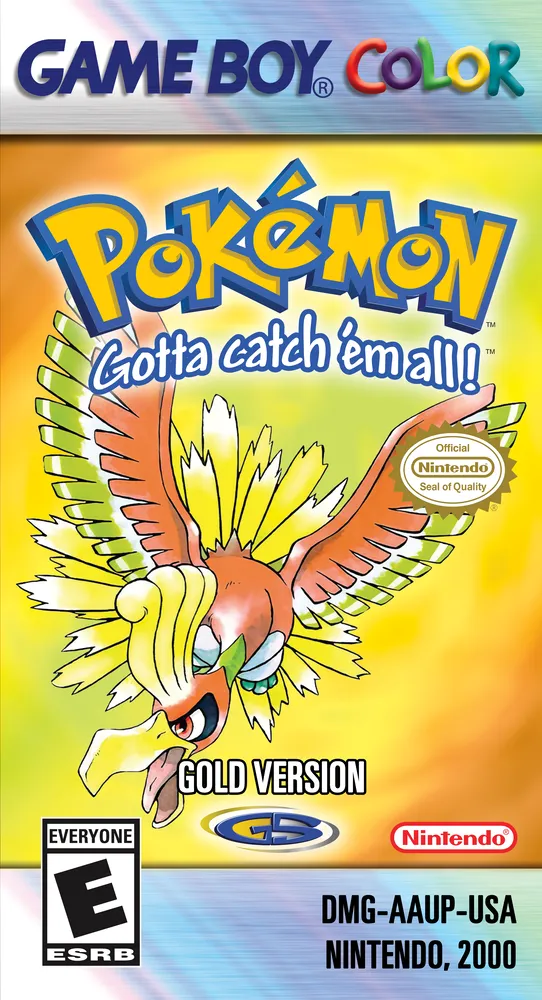
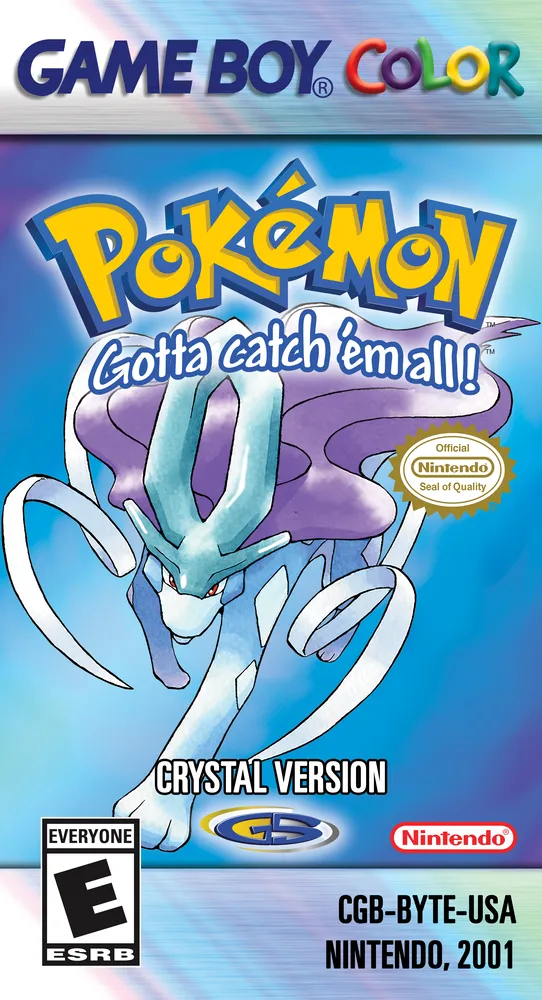
The listing includes print-ready cover labels for Pokémon Red, Blue, Yellow, Gold, Silver, and Crystal, and the same six are in the repo’s Labels folder. The Photoshop template for making your own is in the GitHub repo, next to the STL files you actually print. It’s set in the ultra-condensed cut of Univers LT Std, which I can’t redistribute; Oswald Bold from Google Fonts is close enough that nobody will call you on it. The whole thing is CC BY-NC-SA, so remixes are welcome as long as they credit the original and stay non-commercial.
Eight Bambu profiles
A profile is a saved set of slicer settings, and the slicer is the program that turns a model into instructions for the printer. There are eight, all for Bambu Lab printers: AMS (plain or branded) and non-AMS (one plate or two), each in PLA and ABS. AMS is Bambu’s add-on that feeds several spools into one printer, so a print can switch colors by itself. They run 1.6 to 3.2 hours, depending on which one you pick.
- PLA, PETG, or ABS. PLA’s fine for a shelf. ABS or PETG if the case is going somewhere warm or getting handled a lot
- 0.16 mm layers or finer for a smooth face
- 5% grid infill, meaning the fill pattern inside the walls. It’s a box; it doesn’t need to be a brick
- No supports
Where it breaks
The hinge clip is the part to watch: a couple of people had it snap after a few open-and-close cycles. Separately, one person had warping bad enough to burn six attempts before turning up nozzle temperature. Dry filament fixes most of it. A 1% scale-up fixed a tight fit for someone else. And one reviewer’s fix for a lid that rubs: shave about a millimeter off the inner back wall.